
Buying a TV in 2026 is no longer an impulse decision. It’s an investment.
High-end models easily exceed 6, 8 and even 12 million pesos in Latin America, and they feature ultra-thin panels, AI-powered processors and imaging technologies that seemed like science fiction five years ago.
But there’s an uncomfortable contradiction few people mention: the most advanced TVs are also the most delicate. And in a region where electrical fluctuations are still part of everyday life, protecting them is no minor detail: it’s part of the real cost of owning cutting-edge technology.
This is our ranking of the 5 best TVs of 2026, why they stand out… and why they should all be protected from day one.
1. LG OLED G6 Series (OLED evo AI 2026)
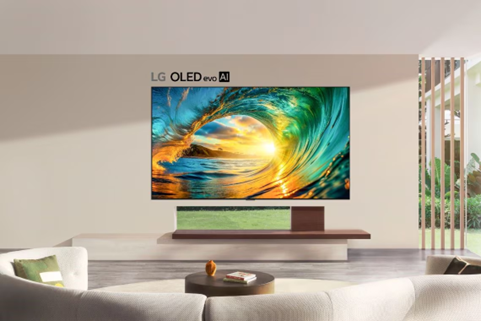
LG continues to dominate the OLED segment, and in 2026 it does so with its OLED evo G6, a TV designed for those who want the best picture quality without compromise.
Why it’s in the top 5:
- Perfect blacks and absolute contrast.
- New α12 AI processor that optimizes picture and sound in real time.
- Ultra-thin “Gallery” design, intended for flush wall mounting.
The detail few people consider:
OLED panels and their control modules work with very tight electrical tolerances. A voltage surge doesn’t have to “fry” the TV to damage it: affecting the control board is enough for the problem to show up months later.
A device like this needs specific protection against spikes and fluctuations, not a generic power strip.
2. Samsung Neo QLED 8K QN990F
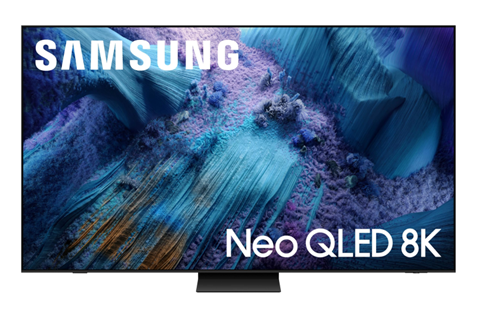
Samsung is betting big on the Neo QLED 8K, with Mini LED backlighting and one of the highest peak brightness levels on the market.
Why it’s in the top 5:
- True 8K resolution with AI upscaling.
- Extreme brightness, ideal for very bright rooms.
- Wireless One Connect, which separates the electronics from the panel.
Protecting the electronics module means protecting the whole TV.
3. Sony Bravia XR A95L II (QD-OLED)
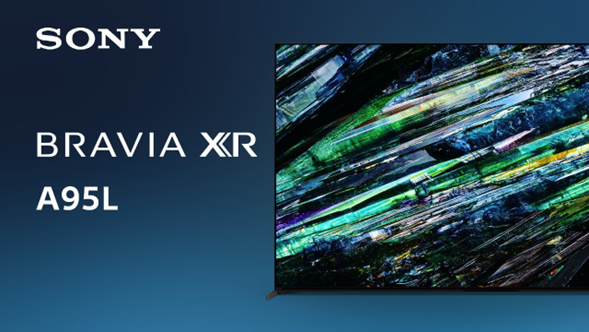
Sony remains the benchmark for movie lovers and content creators. Its QD-OLED combines color, contrast and processing like few others.
Why it’s in the top 5:
- Next-generation Cognitive XR processor.
- Extremely accurate colors.
- Acoustic Surface sound built into the panel.
The critical point:
Sony optimizes the picture with advanced electronics that are constantly running, even in standby modes. Voltage fluctuations during power-on, power-off or standby are one of the most common damage scenarios.
Here, electrical stability matters as much as resolution.
4. TCL X11 Mini LED Premium
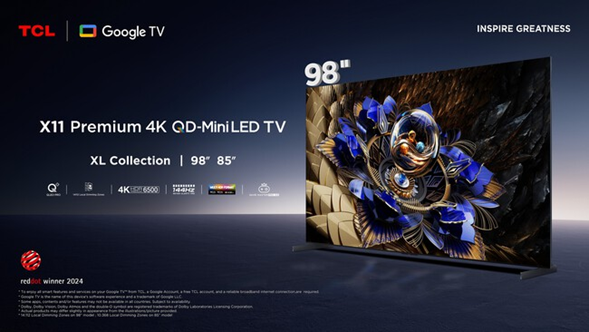
TCL has firmly established itself in the high-end segment. The X11 is proof.
Why it’s in the top 5:
- Mini LED with thousands of dimming zones.
- Excellent value for money.
- Ideal for next-gen gaming.
The Latin American factor:
Many buyers choose premium TCL models to access high-end technology at a lower cost. But those “savings” are easily lost if the TV isn’t protected on unstable power grids.
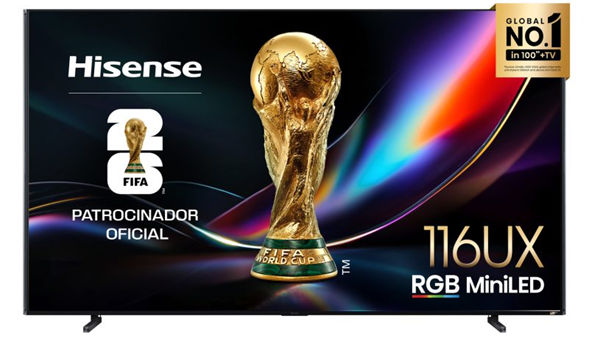
5. Hisense UX MicroLED / Hybrid Mini LED
Hisense surprises in 2026 with hybrid solutions that bring MicroLED closer to consumers.
Why it’s in the top 5:
- Very high brightness.
- Long panel lifespan.
- Fast growth in emerging markets.
The real challenge:
More brightness means higher internal electrical demand. And in countries where voltage drops and surges are frequent, electrical stress multiplies.
Powerful technology demands protection to match.
So, how do you protect a high-end TV?
It’s not about “armoring up” or living in fear. It’s about properly managing the power it receives.
Electronic protectors designed for entertainment systems:
- automatically cut off power when the voltage goes outside the safe range,
- prevent spikes from reaching the device,
- and reconnect only when the grid stabilizes.
In that segment, Breakermatic has specialized in protection for TVs, consoles and entertainment systems, with devices designed precisely for power grids like ours.
It’s no coincidence that it’s a recurring brand in homes and businesses that understand that protecting isn’t overdoing it, it’s preserving.