
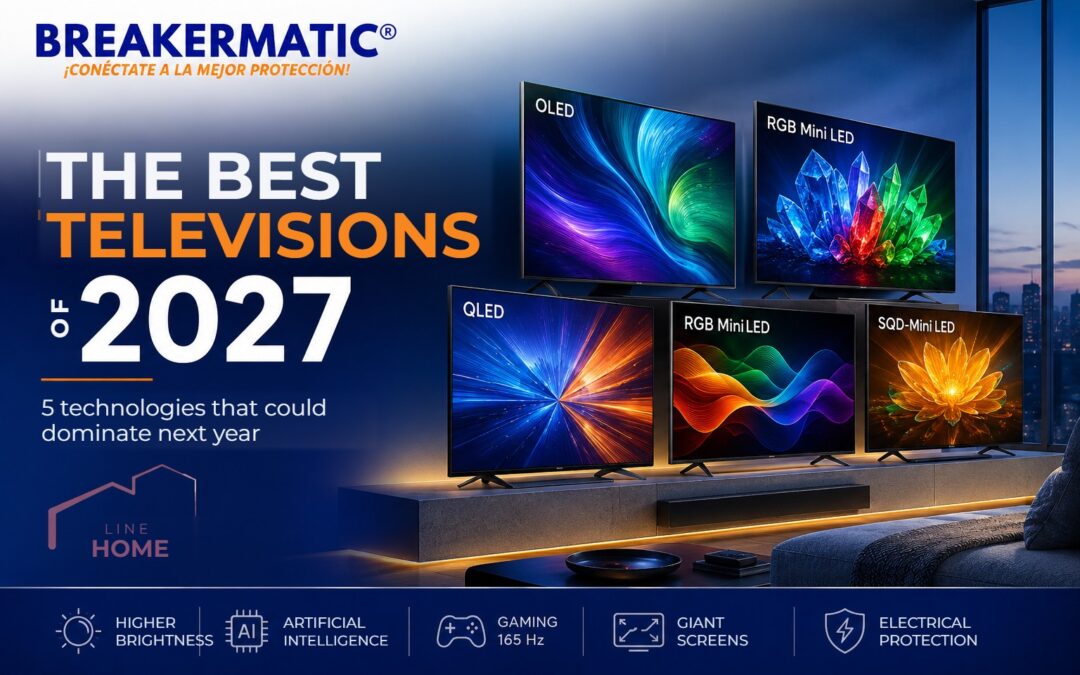
The battle to build the best TV of 2027 has already begun, even though the new year is still months away.
In 2026 we saw increasingly bright OLED TVs, the arrival of RGB Mini LED in premium lineups, refresh rates of up to 165 Hz, processors dedicated to artificial intelligence and operating systems that are starting to include generative assistants.
Manufacturers have not yet officially introduced all their 2027 lineups. So instead of inventing models, we analyze the technologies, families and brands most likely to take center stage next year.
Which could be the best TVs of 2027?
If you want to go straight to the result, these are the five developments we recommend keeping a close eye on.
The 5 TVs and technologies that could dominate 2027
More than a battle between brands, 2027 could become a competition between different ways of producing light, color, contrast and intelligent processing. OLED keeps evolving, so does Mini LED, and RGB Mini LED is only just starting to show its true potential.
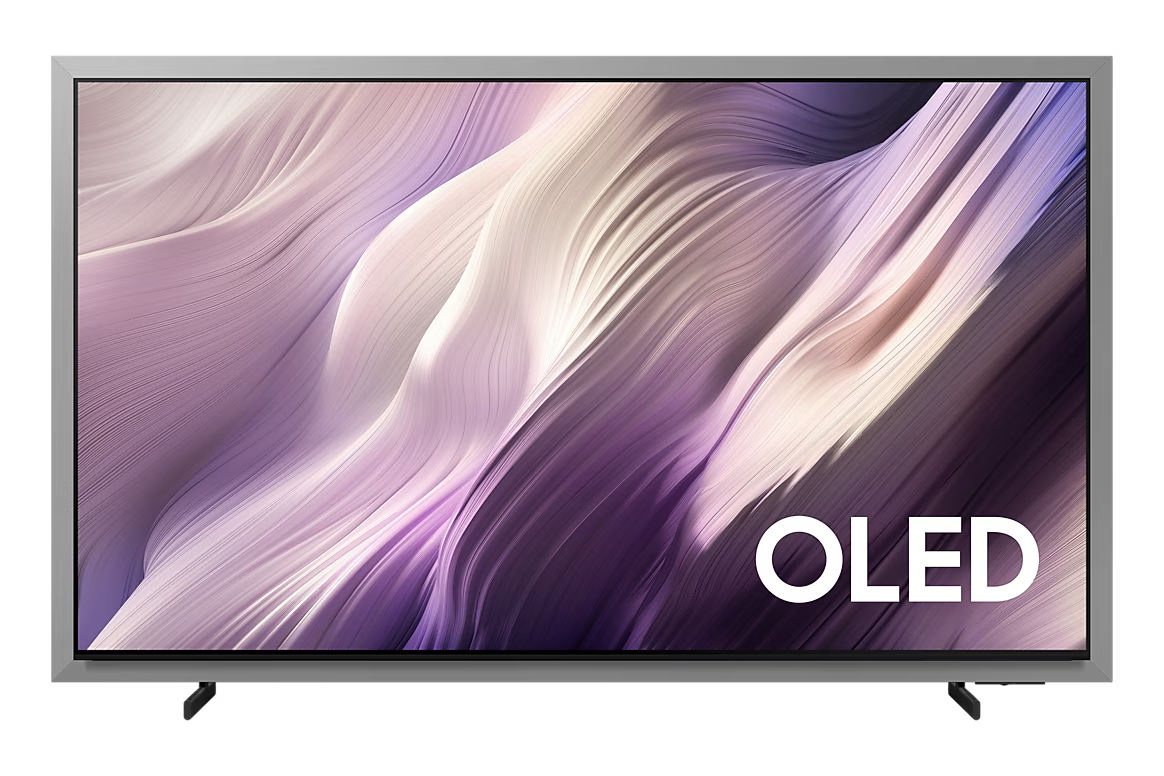
Next-generation Samsung OLED
Samsung will reach 2027 with a very strong foundation. Its 2026 OLED lineup already combines picture quality, AI-powered processing, anti-glare features and high-refresh-rate gaming.
The next evolution probably won’t be just about getting more brightness. The battle is starting to shift toward color volume, processing, efficiency and smart experience.
- Premium OLED and QD-OLED evolution.
- AI-powered image processing.
- Anti-glare improvements.
- High-refresh-rate gaming.
- Greater integration of smart features.
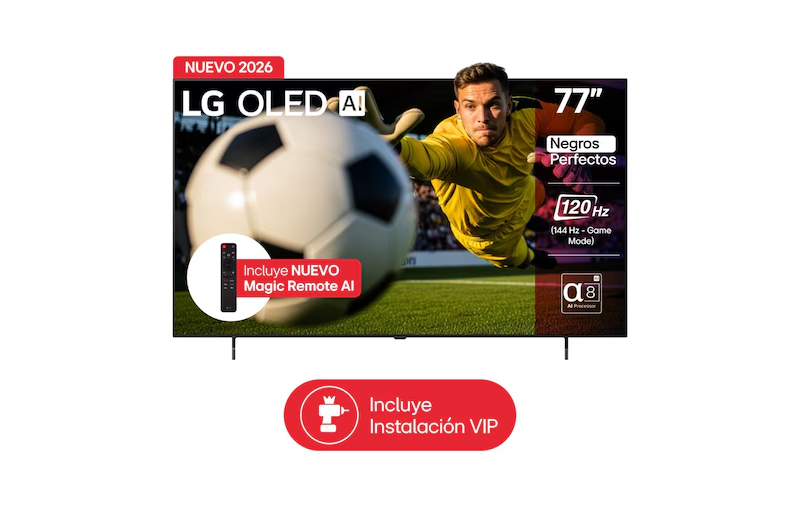
Next-generation LG OLED evo
Every time OLED seems to be approaching its limit, a new generation appears that can squeeze out more brightness, efficiency or processing.
For 2027, the big question won’t be whether OLED can deliver deep blacks. It will be how much it can increase its usable brightness without losing the advantages that made this technology famous.
- Higher usable brightness.
- Better performance in bright environments.
- More advanced AI processing.
- High-refresh-rate gaming.
- Evolution of multi-layer OLED panels.
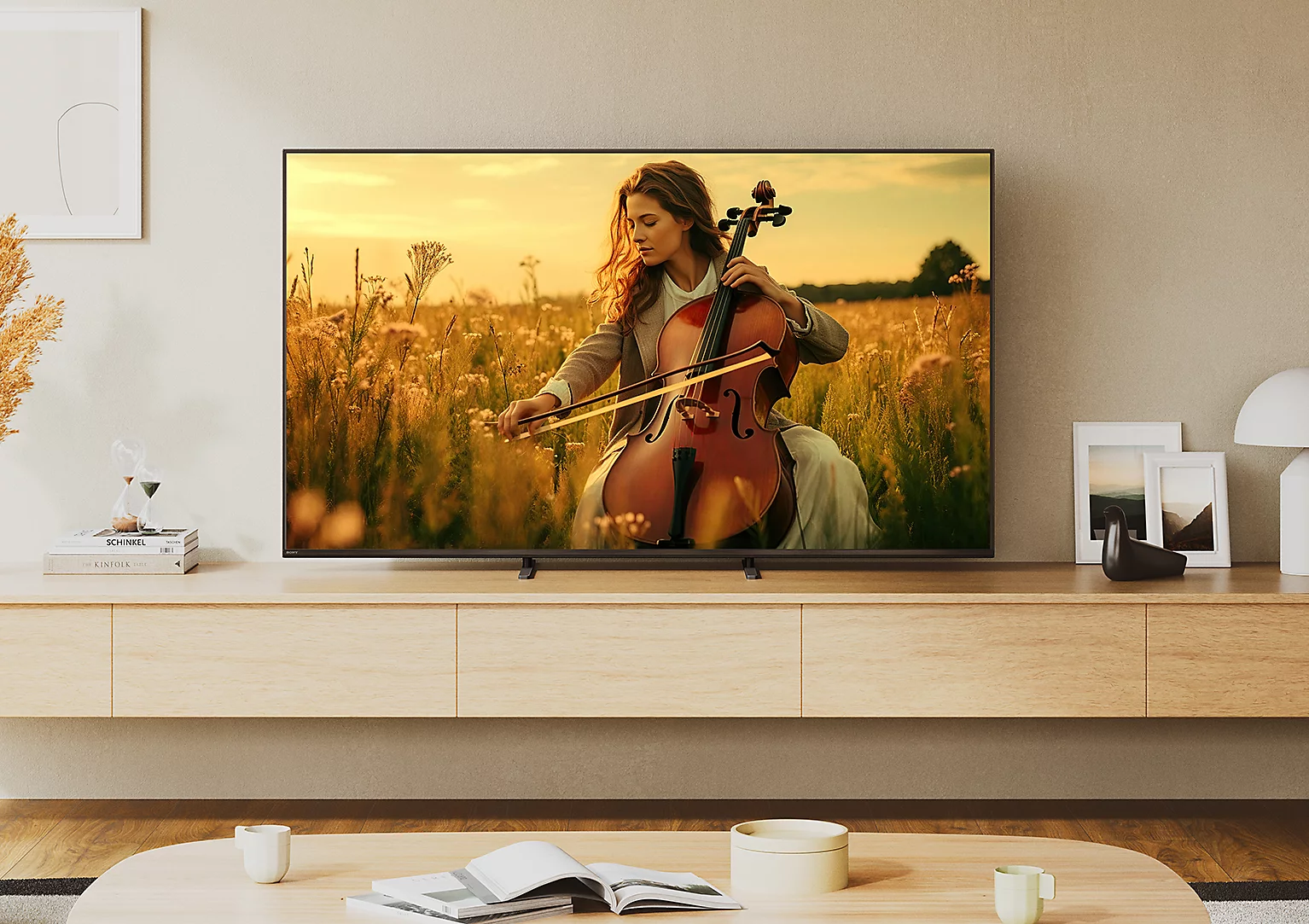
Sony and the new generation of RGB Mini LED
This could become one of the most interesting technology showdowns of 2027: OLED vs RGB Mini LED.
RGB Mini LED uses red, green and blue light sources in the backlight, with the aim of expanding what’s possible in brightness, color and efficiency.
- High brightness for bright environments.
- Greater color volume.
- More advanced backlight control.
- Particular potential in large screen sizes.
- An increasingly serious alternative to OLED.
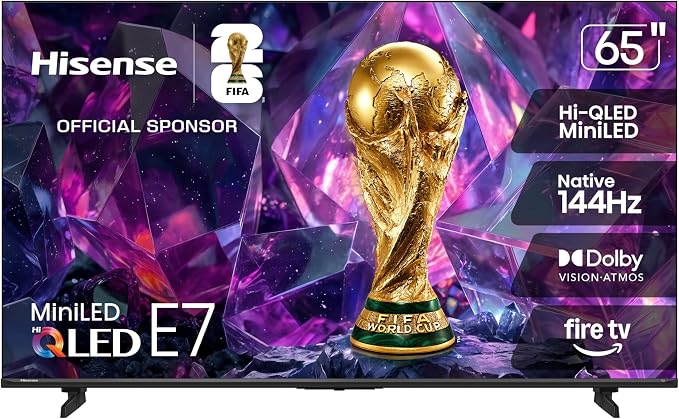
Hisense RGB MiniLED
Hisense could play an especially important role: bringing technologies that started in the premium segment to more screen sizes and price points.
If that evolution continues in 2027, RGB Mini LED could stop being merely a technology showcase and become a much more affordable purchase option.
- More sizes available.
- More control zones.
- High brightness.
- Better technology-to-price ratio.
- Direct competition with OLED and conventional Mini LED.
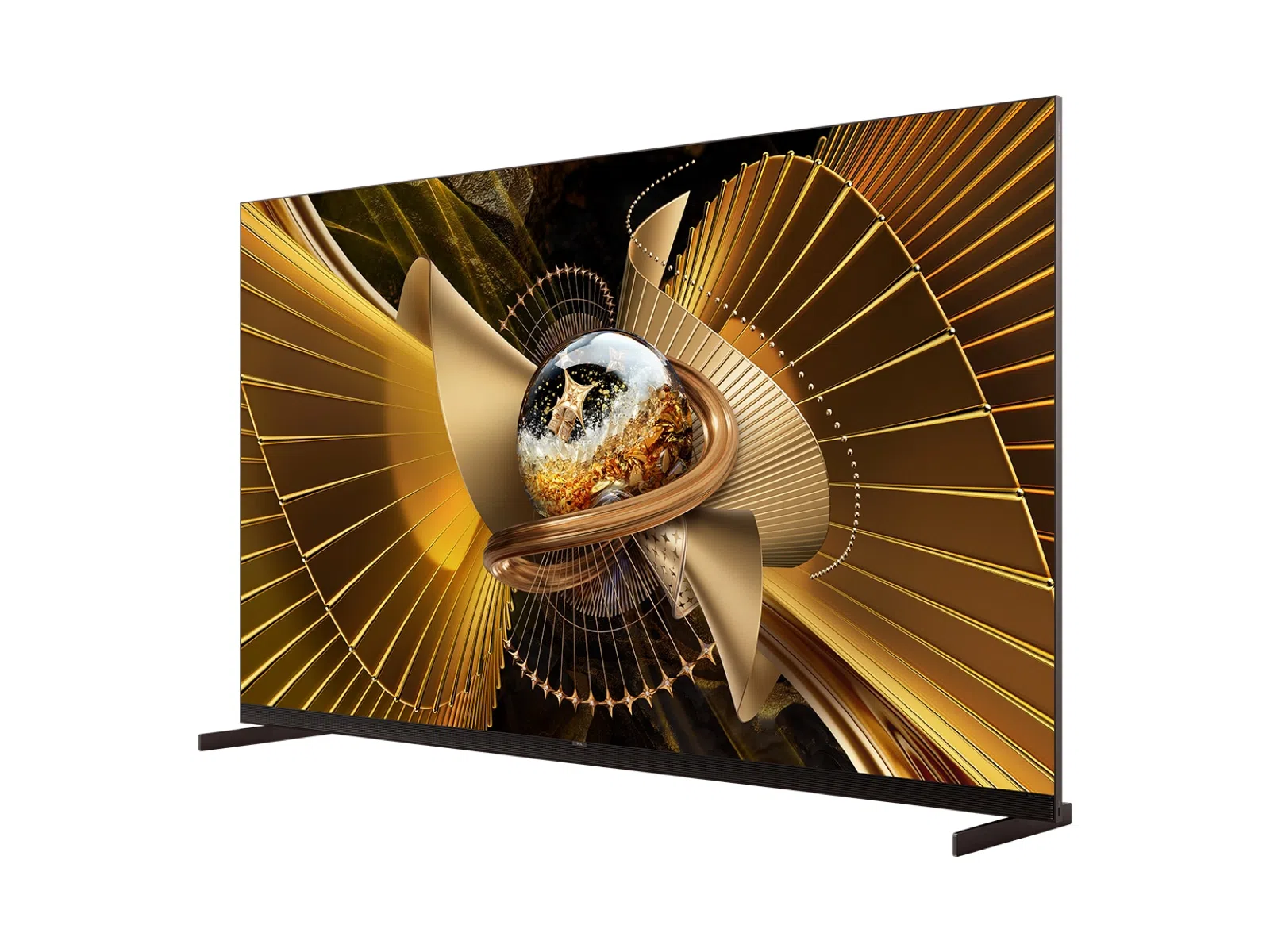
Next-generation TCL SQD-Mini LED
TCL is following a very clear strategy: bringing increasingly advanced specs to large-format TVs.
For 2027 we expect more control zones, better local dimming algorithms, greater color volume and increasingly competitive giant screens.
- High-brightness Mini LED.
- Quantum Dot.
- Large formats.
- Better black control.
- High technology-to-price ratio.
OLED VS RGB Mini LED
There probably won’t be an absolute winner. Each technology is trying to solve premium picture quality from a different philosophy.
OLED
- Per-pixel light control.
- Extremely deep blacks.
- Excellent contrast.
- Fast response for gaming.
- Especially appealing for movies.
RGB Mini LED
- Very high brightness.
- Greater potential color volume.
- Excellent for bright rooms.
- Great potential in large sizes.
- More advanced RGB backlighting.
6 trends that could define the TVs of 2027
RGB Mini LED
More manufacturers are exploring RGB backlighting to expand brightness, color and efficiency.
Brighter OLED
OLED’s evolution will keep focusing on brightness, efficiency and less controlled environments.
Artificial intelligence
Upscaling, sound, search, personalization and built-in assistants will become increasingly common.
High-refresh-rate gaming
144 and 165 Hz will keep spreading in TVs aimed at consoles and PCs.
New HDR formats
Dolby Vision 2 and HDR10+ Advanced could become more widespread in the next generation.
Giant screens
85, 98 inches and even larger formats will keep dropping in price and gaining ground.
Is it worth waiting until 2027 to buy a TV?
Not necessarily. A new generation doesn’t automatically make current TVs bad products. In fact, the arrival of new models often creates attractive opportunities on the previous year’s premium lineups.
Wait for 2027 if…
You specifically want the next evolution of OLED, RGB Mini LED, more advanced AI features, or you simply prefer to buy the latest generation.
Buy a 2026 model if…
You find an excellent OLED or Mini LED at a good price. A great TV doesn’t stop being great just because its successor has arrived.
TVs evolve. Their protection should too.
We can spend hours comparing OLED or Mini LED, 120 or 165 Hz, Dolby Vision or HDR10+, and then plug a major investment straight into the grid without giving the power supply another thought.
A modern Smart TV contains power supplies, processors, storage, connectivity modules and multiple electronic circuits. There are at least three different electrical situations worth understanding.
When the voltage stays outside a suitable range, one protection strategy is to disconnect the load.
After an interruption, certain protectors wait before powering the device again.
Switching operations and other events can cause very fast voltage rises.
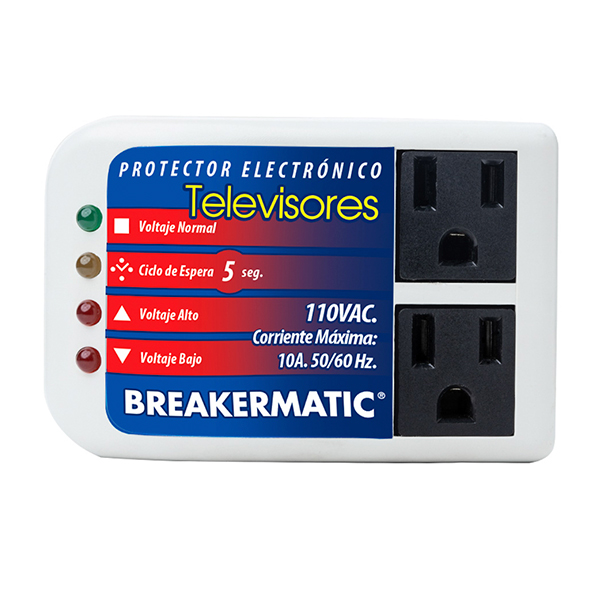
Breakermatic PTV110-000EST
Electronic protector designed for TVs and entertainment equipment compatible with a 120 VAC power supply.
It also includes functions to respond to certain high/low voltage conditions and transient overvoltages.
Learn about the protector →An electronic protector does not replace a properly designed electrical installation, grounding or the building’s general protections. Always check voltage, capacity and compatibility before installing.
So, what will be the best TV of 2027?
It’s still too early to name a definitive winner.
Samsung arrives with an increasingly sophisticated OLED generation. LG keeps pushing OLED brightness and processing. Sony has a huge opportunity with RGB Mini LED. Hisense can help make that technology more accessible. And TCL keeps taking Mini LED and large formats to levels that just a few years ago seemed reserved for experimental products.
Perhaps the most important conclusion is a different one: 2027 could become one of the years when OLED and RGB Mini LED start truly competing to define the next generation of premium picture quality.
We will update this guide as Samsung, LG, Sony, Hisense, TCL and other manufacturers officially introduce their 2027 TVs.
And when the time comes to invest in a new generation of screens, it’s worth remembering something simple:
The best technology also deserves good protection.
Frequently asked questions about 2027 TVs
Are there already 2027 model TVs?
As of August 2026, most manufacturers have not yet officially introduced their full 2027 lineup. This article analyzes 2026 products and technology trends to anticipate the next generation.
Is it worth waiting until 2027 to buy a TV?
It depends. If you specifically want the new generation of OLED or RGB Mini LED, it may make sense to wait. If you’re looking for value for money, 2026 premium TVs can become particularly attractive buys once their successors appear.
Will RGB Mini LED be better than OLED?
There is no universal winner. OLED retains important advantages in per-pixel black control and contrast. RGB Mini LED aims to compete through brightness, color volume and performance in bright environments.
Will 2027 TVs have more artificial intelligence?
The current trend points to growing AI integration in image processing, sound, search, assistants and personalization, although specific features will depend on each manufacturer and model.
Do I need a special protector for OLED or Mini LED?
The panel technology alone doesn’t determine electrical protection. You should check the device’s voltage, consumption and specifications. For compatible 120 V TVs, Breakermatic offers model PTV110-000EST.
Sources and references
- RTINGS — information and trends on 2026 TV lineups.
- Samsung — official information on the 2026 premium OLED lineup.
- LG Electronics — 2026 OLED evo specifications and technologies.
- Sony — development and evolution of Mini LED technologies.
- Hisense — 2026 RGB MiniLED lineup.
- TCL — information on SQD-Mini LED and X11L technologies.
- Breakermatic — PTV110-000EST spec sheet.